
communication science
summer course 2023
Saving Our Earth: Environmental Challenges and Solutions in Southeast Asia Countries
save the date
5th – 21st July 2023, at Online Platform (Zoom)
RATIONALE
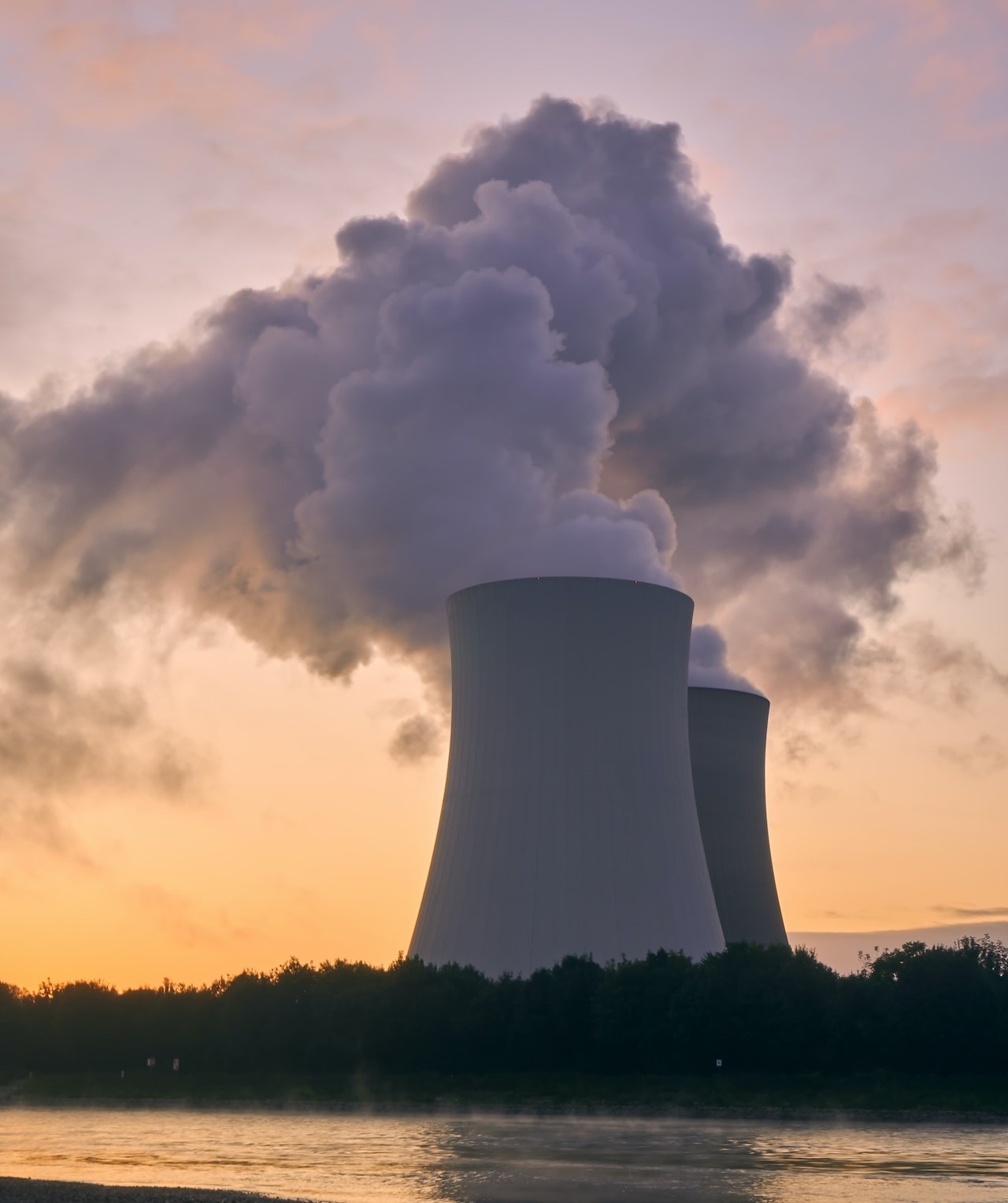
Over the past 70 years since the industrial revolution, climate change has become a major global environmental issue. Earth’s surface temperature, which remained stable at 1–1.5°C for centuries, has surged by 1.5°C in just one decade due to rising carbon emissions from human activities like transportation, industry, meat consumption, and waste. These changes have triggered energy, waste, and natural resource crises (water, forests, soil, air, food), with Southeast Asia experiencing floods in coastal cities, droughts, and forest fires.
Southeast Asian countries share common environmental challenges, including high waste production from poor disposal habits, weak domestic waste management, and becoming a dumping ground for developed nations’ waste after China closed its recycling industry in 2017. The region also remains heavily dependent on fossil fuels, despite the Paris Agreement’s goals, while food security is threatened—Indonesia loses 90,000 hectares of farmland annually, and Singapore imports over 90% of its food.
This summer course will explore solutions such as waste management technology, renewable energy, and food security, while emphasizing environmental communication as a key tool for driving behavioral change, policy influence, and community participation. By drawing on research, case studies, and digital activism, the course highlights the importance of engaging communities in decision-making to build a more sustainable future for Southeast Asia.
Course Objectives
By the end of this course, students will be able:
1
To develop an insightful understanding of the environmental problems and challengesfacing South-East Asia, including issues related to climate change, waste management, renewable energy and sustainable consumption, and the crisis of natural resources.
2
To develop an understanding about the application technology for preventing environmental destruction (waste management, alternative energy, etc.) and also the new discourses of alternative solutions for future implementation.
3
To develop a nuanced understanding about the role of government, scientist, media,journalists, and civil society in addressing the environmental problems in Southeast Asia.
4
To develop an understanding about the potential of environmental communication topromote sustainable development in Southeast Asia, including the role of media, digital platforms, and community-based approaches in the region.
Guest Speakers
We bring in speakers from leading institutions and universities, and you have the opportunity to interact with them

Micah R Fisher, Ph.D
Research Fellow, East-West Center, USA

Ahmad Dhiaulhaq, Ph.D
Research Institute for Humanity and Nature (RIHN), Japan

Prof. Dr. Ir. Etty Riani
Bogor Agricultural University, Indonesia

Kian Siong, Ph.D.
World Bank

Andhyta Firselly Utami
CEO of Think Policy Society

Prof. Sudharto P. Hadi, MES, Ph.D
Universitas Diponegoro, Indonesia

Prof. Bulan Prabawani, Ph.D
Universitas Diponegoro, Indonesia

Prof. An Nguyen
Bournemouth University, United Kingdom

Mira Rochyadi-Reetz, Ph.D
Technische Universität Ilmenau, Germany

Usha Sundar Harris, PhD
Macquarie University, Australia

Dr. Meredian Alam
Universiti Brunei Darussalam, Brunei

Dr. Nurul Hasfi
Universitas Diponegoro, Indonesia

Thaiane Oliveira, Ph.D
Universidade Federal Fluminense, Brazil

Rouli Manalu, Ph.D
Universitas Diponegoro, Indonesia
Important dates.
- Registration period: 29 May – 22 June 2023
- Announcement (ongoing): 12 – 22 June 2023
- Enrollment period: 23 June 2023
- Course period: 5 – 21 July 2023
course titles.

Our Courses
In this summer course, we will explore several topics Environmental Challenges and Solutions in Southeast Asia Countries
1.Opening ceremony & introduction to the course
2. Environmental challenges in the contemporary society
Course Description:
This section of the course provides an overview of the global and Southeast Asian environmental problems, with a particular focus on climate change. Climate change has become a critical issue in Southeast Asia as it has given rise to other environmental challenges such as energy crisis, waste management issue, and depletion of natural resources; such as water, forest, soil, clean air, and food. This course also discusses the effect of climate change in Southeast Asian countries such as floods in coastal cities (Bangkok, Jakarta, Singapore), drought, water management, and deforestation in this region.
Expected Learning Outcome:
- Students will gain knowledge and understanding in reference to the background and extent of environmental problems in this region.
- Students will be able to understand and be aware of possible strategies to mitigate the impacts of climate change and promote sustainability in the region.
3. Waste as the environmental problem in the developing countries
Course Description:
This part of the course discusses the concept of waste and how it socially and environmentally impacts people’s lives. The discussion covers the types of waste, how waste is produced, how waste damages the environment and how waste management has progressed so far. The discussion on types of waste mainly focuses on household waste, plastic waste, food waste, etc. The bad impact of waste will also be mainly in the occurrence of pollution (air, sea, soil) which is dangerous for human and animal life. Another important issue that will be discussed is waste management, especially household waste and various technological innovations that have supported it, specifically those that have been carried out in developed countries such as Singapore.
Learning Outcome:
- Students will gain knowledge about waste, kind of waste, and how it impacts human life.
- Students will be able to understand and be aware of how to minimise production of waste and how to be involved in the waste management process around their environment.
4. Energy crisis and renewable energy in the contemporary world
Course Description:
This part of the course contains knowledge regarding the modern lifestyle that causes the energy crisis in the world. Energy crisis includes several types of energies. Students will learn to recognize the energy that is starting to decrease in number and what the consequences will be faced in the future. In addition, students will also learn about the mitigation plans that have been carried out so far to overcome the crisis and being introduced to renewable energy.
Expected Learning Outcome:
- Students will gain knowledge about the energy crisis situation in the world.
- Students will gain knowledge about the future challenge as the impact of the energy crisis.
- Students will gain knowledge about renewable energy.
5. Public policies in the context of environmental crisis
Course Description:
The current ecological disaster is inseparable from poor environmental governance which tends to exploit natural resources without proper and sustainable environmental restoration. There is an egocentric concept that triggers environmental degradation, where the current development policy motives still prioritise the interests of investors, putting in the situation where the environment and natural resources are only used as objects and exploited without thinking about sustainability. The climate change crisis and environmental degradation are therefore becoming to large extent a consequence of governance and political failure. Lack of political will and political commitment, short-termism, vulnerability of policies to electoral cycles, weak accountability for implementation are some examples of such failures. This part of the course will discuss several factors such as governance failures and political economy that undermine the technocratic programmes on climate change and the environment. In addition, this course will discuss the role of government policies in the mission of saving the environment with the community.
Expected Learning Outcome:
By the end of the course, student will be able:
- To understand the social mapping of environmental crises in South East Asia countries.
- To gain knowledge about public policy of Southeast Asian countries in responding to environmental crisis.
6. Promoting sustainable business and consumption in Southeast Asia
Course Description:
Sustainable business and consumption emerge as a critical issue in environmental management in Southeast Asia. The region has experienced rapid economic growth in recent decades, leading to a significant increase in consumption levels. This condition has led to a rise in environmental issues such as waste generation, pollution, and deforestation, which have significant impacts on the region’s ecosystems, public health, and economic development. This part of the course will discuss the relationship between human consumption behaviour and the environmental problems it causes, as well as the importance of sustainable consumption. In addition, the course will explore the possible approaches used to persuade changes in behaviour to be more pro-environmental.
Expected Learning Outcome:
- Studentswill gain a comprehensive understanding regarding the role of sustainable business and eco-consumption in promoting environmental sustainability in Southeast Asia.
- Students will be more aware ofbusiness strategies and eco-consumption practices that contribute to a more sustainable and resilient future for the Southeast Asia region.
7. Science communication in Southeast Asia
Course Description:
Today, social media has become a communication tool that everyone uses. Social media platforms give scientists more tools to communicate their research and engage with scientific topics. There are opportunities for scientists to connect with different audiences and for science communicators and citizens to engage with science. However, social media platforms facilitate the spread of information contrary to scientific evidence; exposing conspiracy theories and disinformation. In addition, science scepticism and anti-science movements have developed in several countries and are of great concern worldwide. The spread of science-related misinformation and disinformation impacts public health and planetary sustainability. In this context of decision-making communication, science communication has become an important tool for fighting pandemics and solving environmental problems. This course will look into the challenges associated with carrying out research in science communication. This course will also discuss the opportunities for innovation and collaborative research in science communication that might be conducted and implemented in developing countries.
Expected Learning Outcome:
By the end of the course, student will be able:
- To understand the role of science communication and the challenges associated with conducting research in science communication;
- To develop critical thinking by reflecting on the opportunities for innovation and collaborative research in science communication.
8. Practices of science journalism in Southeast Asia
Course Description:
As far as environmental issues are concerned, media either as a risk communicator or as a promoter of data, information, and good practices of any kind, should expedite the society to progress and become more environmentally responsible and cultivate environmental awareness. Additionally, media could help the society in associating reasons and effects, thus to get informed and to reflect upon the given information, in order to understand the origins and the causes of the major environmental problems. Mass media plays an important role to inform and raise public awareness by covering environmental problems. This part of the course will discuss the role of environmental journalism in covering environmental problems to raise public awareness about such issues as well as how journalists play a significant role in encouraging synergies among community members, communicators, institutions, NGOs and all agents involved in environmental issues.
Expected Learning Outcome:
- To understand the role of journalists in reporting news about the environment.
- To understand synergies creation between community members, communicators, institutions, NGOs and all agents involved in environmental issues.
9. Participatory environmental communication in Southeast Asia
Course Description:
Referring to the deeply rooted traditional ecological knowledge within Southeast Asian cultures, environmental communication must include a deliberate exchange of environmental information, knowledge, and wisdom through dialogue and discussion; rather than a top-down, one-way model. Encouraging sustainable practices must always integrate a cultural dimension that incorporates local knowledge, recognizing the essential link between communication about environmental problems and cultural and environmental wisdom that is passed down from generation to generation. One of the most effective ways to promote sustainable practices is through community-based approaches that engage local society in identifying and addressing environmental issues. This approach can create greater awareness and appreciation of ecocultural values, leading to more effective conservation and sustainable use of natural resources. This part of the course will explore the best practices of participatory environmental communication, which is a critical approach for promoting sustainable actions and environmental advocacy among communities, stakeholders, and civil society. In addition, this course will critically discuss on how to improve the effectiveness of environmental policies and interventions, ensuring that they are relevant and acceptable to local contexts in Southeast Asia.
Expected Learning Outcome:
- Students will be able to develop an understanding of the importance of participatory environmental communication and its role in promoting sustainable practices in Southeast Asia.
- Students will be able to understand the key principles and best practices of this approach and gain an understanding of how to integrate cultural dimensions and traditional ecological knowledge into their communication programs to improve the effectiveness of environmental policies and interventions.
- Students will gain knowledge about specific tools and techniques for engaging with communities, stakeholders, and civil society organisations in environmental decision-making processes and promoting their participation in environmental action and advocacy.
10. Digital activism about environmental issues in Southeast Asia
Course Description:
Digital activism has emerged as an important tool for environmental communication in Southeast Asia. In line with the increasing accessibility of digital technologies, social media platforms, and mobile devices, digital activism has enabled environmental activists and advocates to reach wider audiences and mobilise support for environmental causes. Digital activism can also be used to hold governments and corporations accountable for their environmental actions, by raising awareness about issues and promoting public pressure for change. This point of digital activism can be particularly important in countries where the freedom of expression and access to information is limited, and where traditional media outlets may not be able to report the environmental issues. Digital tools such as online petitions, crowds mapping, and social media campaigns can be used to mobilise public support for environmental causes and influence policy decisions. This path can be especially important in Southeast Asia, where many instances of environmental conflicts between communities, governments, and corporations lay in this region. This part of the course will discuss practices of digital activism as well as actors and non-actors who get involved in enabling marginalised communities to amplify their voices and mobilise support for environmental causes.
Expected Learning Outcome:
- Students will develop an understanding about activism practices around environmental issues in the digital era.
- Students will gain knowledge about actors and non-actors including those who are invisible and what are their roles in digital activism practices.
Group Presentation
Group Presentation
Group Presentation
What They Said
Testimonials from the last summer course participants
Office Location
dr. Antonius Suroyo Street, Universitas Diponegoro, Tembalang Campus, Semarang Postal Code 50275
Open Hours
Sunday – Friday, 9am – 3pm
(Jakarta Time Zone)
Our Contact
Wildan Namora: +6281392298796
Putri Anggraeni: +6282315740489